What does black tie optional mean? It means the couple would be glad to see the room in full black tie — floor-length gowns, tuxedos — but will not hold it against any guest who arrives one clear step below that. For women, a floor-length evening gown is the reference outfit and a dressy cocktail dress is fully acceptable; for men, a tuxedo is welcome and a dark suit with a white shirt and a conservative tie is equally correct. That is the whole definition, and it comes almost word for word from the Emily Post Institute's attire guide. The difficulty is never the definition. It is the word "optional", which people read as "relaxed" when it really means "you are allowed exactly one notch of latitude, and no more." This page is built around the situations where that notch gets used well and badly.
Start with the one sentence that settles most cases
Dress as though the invitation said black tie, then use the "optional" only if something about your situation makes a full gown impractical or unavailable.
That reading follows directly from how the code is built. Black tie optional is black tie with a permission slip attached. The permission covers the most common real-world obstacles: a guest who does not own a gown and does not want to buy one for a single evening, a man who does not own a tuxedo, a ceremony in a setting where a train would be a hazard. It does not cover treating the evening as an ordinary party.
If you remember nothing else, remember the direction of the error. At a black tie optional wedding, the guest in a floor-length gown is never wrong. The guest in a dress that could be worn to a work dinner usually is. When uncertain, move up, not down.
What the etiquette authority actually lists
The Emily Post Institute's attire guide gives four acceptable options for women under black tie optional: a formal (floor-length) evening gown, a dressy cocktail dress, a "little black dress", and dressy separates. For men it gives a tuxedo, or a dark suit with a white dress shirt and a conservative tie, with leather dress shoes and dark dress socks.
Two details in that list are worth reading slowly. First, the cocktail dress is qualified: it has to be dressy. A cocktail-length dress in cotton poplin or jersey is not what is meant. Second, the little black dress appears here without the qualifier Emily Post attaches to it under full black tie, where the entry is "your dressiest little black dress". The difference is small but real: black tie optional tolerates a slightly simpler black dress, provided the fabric and accessories carry it.
"Dressy separates" is the entry people forget. A long silk or satin skirt with a fine knit or a structured top, or wide-leg evening trousers in crepe with a beaded or silk blouse, sits comfortably inside the code. It is also one of the more practical routes for anyone who finds dresses awkward, and it is covered in more detail further down.
The top of this page's range at $75.99. It's full length in lace, which adds texture without adding visual weight.
$75.99Shop Now
2
Cold-weather fabric
Satin Cowl Neck Sleeveless Backless Elegant Wedding Guest Maxi Dresses for Women Silk Open Tie Back Formal Cocktail Dresses
Sits in the middle of the pack at $43.99. It's full length in satin, so it catches venue lighting — worth checking what you wear under it.
$43.99Shop Now
3
Sleeve coverage
HTZMO Women Fall Long Sleeve Bow Tie Neck Formal Maxi Dresses A Line Flowy Wedding Guest Party Elegant Long Dresses
Well under this page's $48 median, at $36.79, and currently 20% off. It's full length, with genuine sleeve coverage rather than a cap or cold-shoulder.
$36.7920% offShop Now
4
Memoriesea Women's Elegant Sleeveless High Neck Tie Cocktail Wedding Party Maxi Dress
$43.99, close to the median for this page. It's full length.
$43.99Shop Now
5
Sleeve coverage
UZN Women's Long Sleeve V-Neck Bridesmaid Dresses with Slit Maxi Velvet for Wedding Formal Party Gowns
Above the typical price here at $69.98. It's full length in velvet, which reads warm on camera and holds its own shape instead of clinging, with genuine sleeve coverage rather than a cap or cold-shoulder.
$69.98Shop Now
6
KOH KOH Womens 2026 Long Bridesmaid Semi Formal Wedding Guest Gala Maxi Dress Gown
Sits in the middle of the pack at $54.95. It's full length.
$54.95Shop Now
More What Does Black Tie Optional Mean
Cold-weather fabric
Women's 2025 Summer Satin Backless Elegant Dress for Wedding Guest Silk Sleeveless Cowl Neck Party Formal Maxi Dresses
$53.99
Shop Now
Sleeve coverage
Jayscreate Women's V Neck Velvet Dress Tie Front Waist 2024 Ruffle Long Sleeve Wedding Guest Short Wrap Formal Dress
$19.99
Shop Now
ChiaoLezhee Women's One Shoulder Bodycon Maxi Dress, Formal Elegant Ruched Dresses, Evening Gowns for Gala Prom Wedding Guest
$48.99
Shop Now
DRESSTELLS Women's Cocktail Dresses, Formal Wedding Guest Modest Church Vintage Tea Party Midi Evening Dress
$46.99
Shop Now
DRESSTELLS Women's Cocktail Dresses, Formal Wedding Guest Graduation Party High Low Dress
$47.99
Shop Now
Prices shown as of September 25, 2026.
Floor-length, midi or knee: how to choose the hemline
Floor-length is the reference point, so it needs no justification. The real question is how far below it you can go.
A midi in a formal fabric — satin, crepe with a sheen, velvet, heavy chiffon, lace over a lining — is the most comfortable compromise and reads as deliberate. It is especially good at venues where a long hem would suffer: a garden ceremony on grass, a hillside, a boat.
A knee-length dress is inside the code, but it has to work harder. It should be in a fabric that already reads as evening (a satin or crepe sheath, a beaded or sequined cocktail dress, lace), paired with heels and more considered jewellery than you would wear to a cocktail-attire wedding. A readers' question that reached this site from Bing asked, almost exactly, whether a knee-length black dress is acceptable for a black tie optional wedding. The honest answer is yes — if the dress is a genuinely dressy black dress and everything around it (shoes, bag, jewellery, hair) is at black tie level. A plain black shift that you would wear to the office is not the same garment, even though the length is identical.
Anything shorter than the knee is where the permission runs out. A mini-length dress, however expensive, tells the room you read "optional" as "casual".
Fabric does more than length
If there is a single variable that decides whether an outfit reads as evening wear or merely smart, it is fabric. The code assumes evening materials: silk, satin, charmeuse, crepe with a sheen, velvet in the colder months, taffeta, chiffon in layers, lace over a lining, and embellishment such as beading or sequins.
Fabrics that pull an outfit down regardless of cut include cotton, linen, jersey, most rayon challis prints, and anything with a casual texture such as seersucker or eyelet. A floor-length cotton maxi dress is a good example of the trap: it is the right length and still the wrong dress, because it reads as a summer day dress rather than an evening gown.
This is why the same silhouette can be right or wrong. A column dress in heavy crepe fits the code. The same column in stretch jersey is not. When shopping, look at the fabric composition before the length.
If the invitation gives a time before 5 p.m.
Black tie, by tradition, is evening wear. When a black tie optional wedding begins in the early afternoon, the practical effect is that the lighter end of the code becomes more natural: midi lengths, lighter fabrics such as chiffon and crepe rather than velvet and heavy satin, and softer colours.
It does not make the code less formal. A daytime wedding under this code still calls for dressy fabrics and a considered outfit; it simply means a floor-length sequined gown may look out of step with the light. If the reception runs into the evening, dress for the reception rather than the ceremony — it is the part of the day that lasts longest and is photographed most.
If it is outdoors, on grass, sand or a slope
This is the situation the "optional" was made for. Stiletto heels sink into lawns, trains collect grass and mud, and a heavy floor-length hem on a sloped vineyard is a genuine hazard.
A midi or ankle-length dress in a formal fabric, worn with a block heel or a dressy flat, keeps you inside the code while dealing with the ground. Pack a wrap: outdoor evening receptions cool quickly, and a coat or shrug over a formal dress looks far better than goosebumps. Our guide to wedding guest cover-ups and wraps covers the options in more detail.
If you are over 50, petite or plus-size
The code does not change with age or body type, but the easiest route through it sometimes does. Two of the queries that brought readers here were from women asking what black tie optional means for someone over 60, and whether age changes the answer. It does not: the same four options apply. What tends to help is choosing the option that suits you rather than defaulting to the longest one.
A floor-length gown with sleeves, or a long skirt with a fine-knit or silk top, is often more comfortable than a strapless cocktail dress and fully inside the code. Petite guests may find a well-cut midi more proportionate than a floor-length dress that needs heavy hemming. Plus-size guests have excellent options in long lace or crepe evening gowns with structure through the bodice. Our dedicated guides for petite, over-50 and plus-size wedding guests cover fit in depth.
Dressy separates and jumpsuits
Separates are explicitly listed by Emily Post for this code, which makes them one of the safest choices for anyone who dislikes dresses. The formula is simple: one long formal piece plus one refined piece. A floor-length satin or pleated skirt with a fitted silk or fine knit top works; so do wide-leg evening trousers in crepe with a beaded or silk blouse.
Jumpsuits are not named on that list, so treat them as you would separates: acceptable when the fabric is formal (crepe, satin, velvet), the leg is full-length and the styling is at evening level. A cotton or jersey jumpsuit is day wear and falls outside the code.
What men should wear
Men have the simplest decision here, because the etiquette guidance names both options. A tuxedo — black dinner jacket and matching trousers, formal white shirt, black bow tie, black cummerbund or waistcoat, black patent shoes and black dress socks — is always correct. So is a dark suit (navy, charcoal or black) with a white dress shirt and a conservative tie, worn with leather dress shoes and dark socks.
What the second option does not include: a light-coloured suit, a patterned or novelty tie, an open collar, loafers without socks, or a blazer with odd trousers. If a couple wanted those, they would have written cocktail attire or semi-formal.
A practical point for couples attending together: coordinate the level rather than the colour. If one of you is in a floor-length gown, a tuxedo or a very dark suit balances it better than a mid-grey business suit.
Where it sits against black tie and cocktail attire
Black tie optional sits between black tie and cocktail attire. Compared with black tie, the optional version adds the dressy cocktail dress and the dark suit as fully correct options rather than tolerated ones. Compared with cocktail attire, it keeps the floor-length gown as the reference outfit and raises the expected level of fabric, footwear and accessories.
A useful way to see the ladder: under black tie the gown is expected; under black tie optional it is the default with an allowed alternative; under cocktail attire a gown would usually look over-dressed. Our pages on what black tie means and what cocktail attire is cover the neighbouring rungs, and the wedding dress codes guide lays out the full ladder from casual upward.
At a glance
What the what does black tie optional mean on this page cost today.
Pieces tracked on this page
11
Price range
$20 – $76
Median price
$48
Under $50
7 of 11
Discounted right now
1 (avg 20% off, deepest 20%)
With sleeve coverage
3 of 11
Prices change often — check the current price before you buy.
Quick answers to help you find the perfect wedding guest dress.
A floor-length evening gown is the reference outfit. A dressy cocktail dress, a dressy little black dress, or dressy separates such as a long formal skirt with a silk top are all acceptable, according to the Emily Post Institute's attire guide. The fabric and accessories should be at evening level whatever the length.
Yes, if it is a genuinely dressy dress — satin, crepe, lace, beading or sequins — and your shoes, bag and jewellery are at black tie level. A plain knee-length day dress is not appropriate, and anything above the knee is best avoided.
Yes. A dark suit in navy, charcoal or black with a white dress shirt, a conservative tie, leather dress shoes and dark socks is one of the two correct options. The other is a tuxedo.
A full-length jumpsuit in a formal fabric such as crepe, satin or velvet, styled with heels and evening jewellery, fits the code in the same way dressy separates do. A casual cotton or jersey jumpsuit does not.
White, ivory and cream, as at any wedding, unless the couple asks for them. Beyond that the code is about formality rather than colour; deep jewel tones, black, navy and metallics are traditional for evening, and softer colours suit a daytime ceremony.
Yes. Black tie optional keeps the floor-length gown and tuxedo as the reference outfits, while cocktail attire centres on knee-to-midi dresses and suits. If you are unsure which way to lean, dress up rather than down.


 1
1 2
2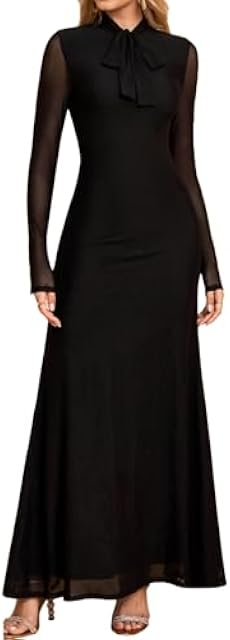 3
3 4
4 5
5 6
6


